

Creating a turtle pond is an exciting project, and choosing the right turtle breeds can make all the difference in maintaining a healthy and vibrant aquatic ecosystem.
For a guide on designing and building your own turtle pond, click here.
For a guide on choosing the right turtle for your turtle pond, click here.
Whether you’re a seasoned turtle enthusiast or a newcomer to the world of pond-keeping, here’s a curated list of the top 8 turtle breeds that are well-suited for a turtle pond setting:
1. Red-Eared Slider (Trachemys scripta elegans)
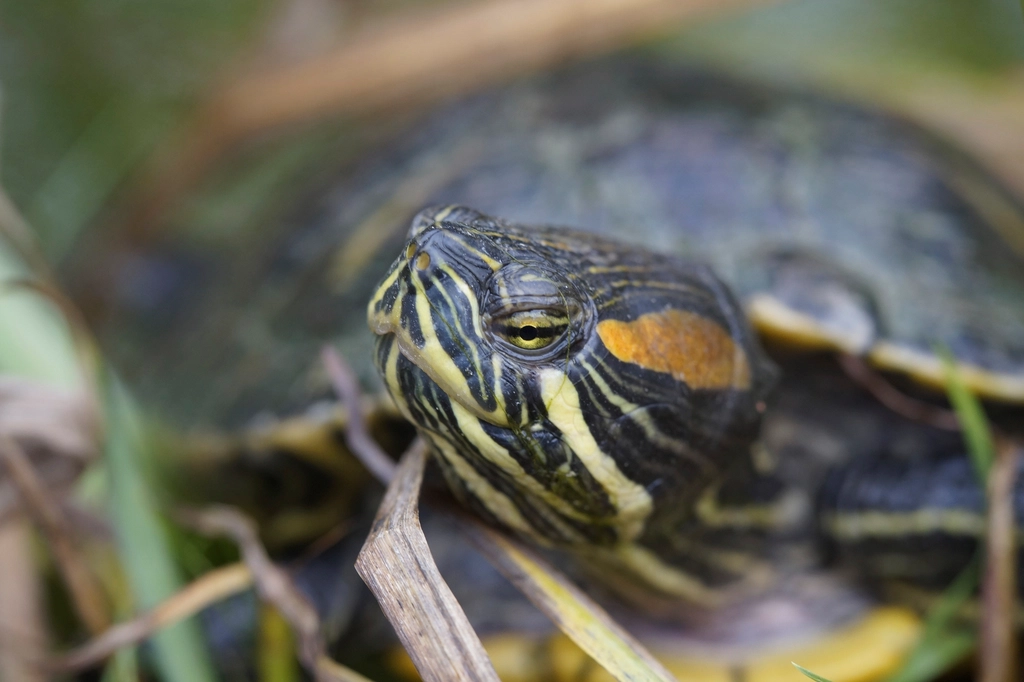
Description: Red-eared sliders are perhaps the most popular turtle species for ponds. They are known for their striking red markings around the ears and can grow quite large.
Habitat: Red-eared sliders require ample space for swimming and basking. They enjoy a mix of aquatic plants and a rocky basking area.
Care: These turtles are omnivorous and enjoy a varied diet of pellets, insects, and leafy greens. They require a well-filtered pond.
2. Painted Turtle (Chrysemys picta)

Description: Painted turtles are native to North America and are named for their colorful markings on the shell. They are active and relatively easy to care for.
Habitat: Painted turtles thrive in ponds with shallow areas for basking and plenty of aquatic plants. They are excellent swimmers.
Care: Provide a varied diet of insects and aquatic plants. Regular water quality checks are essential.
3. Eastern Box Turtle (Terrapene carolina)
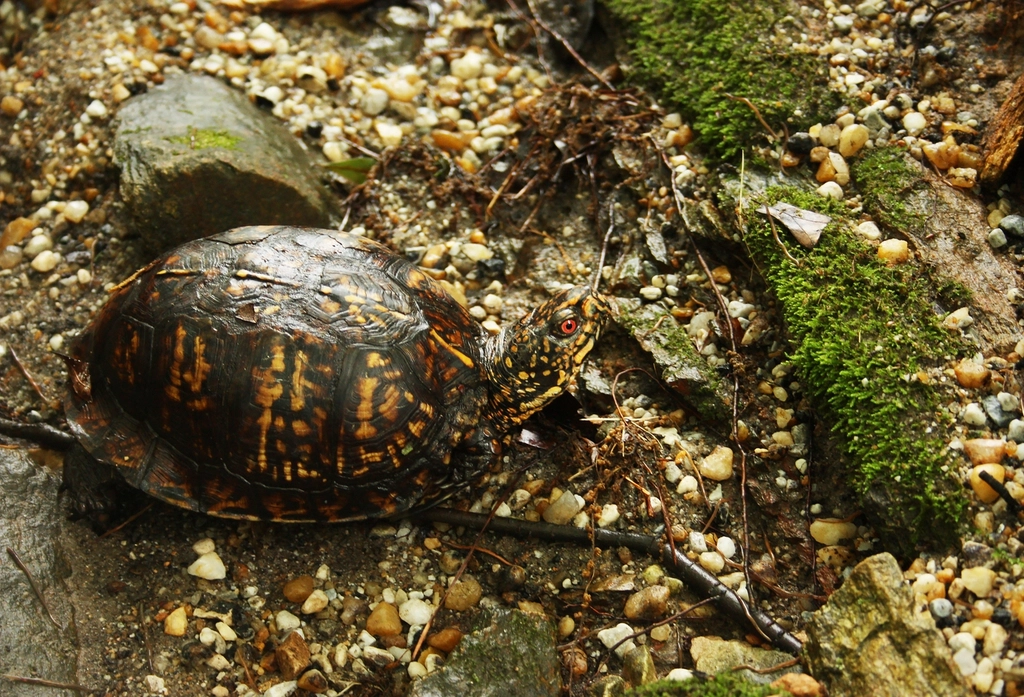
Description: Eastern box turtles are terrestrial turtles but appreciate access to water for drinking and soaking. They have a unique domed shell.
Habitat: Include a shallow pond area in their enclosure with easy access. They also need a land area with plenty of hiding spots.
Care: Box turtles are omnivorous, enjoying insects, fruits, and leafy greens. They require a humid environment and healthy pond ecosystem.
4. Musk Turtle (Sternotherus spp.)
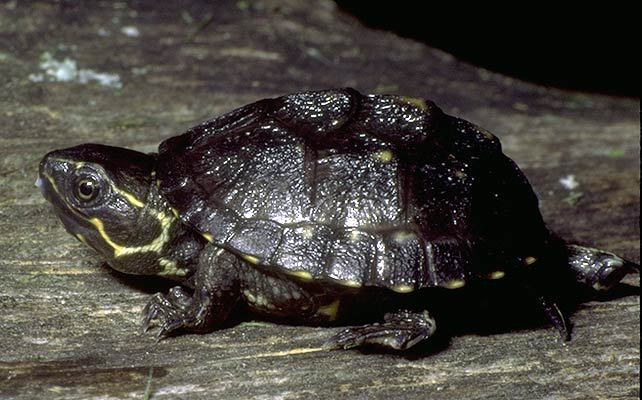
Description: Musk turtles, also known as stinkpots, are small and often characterized by their musky odor. They are excellent swimmers.
Habitat: Provide a pond with plenty of hiding spots and vegetation. Musk turtles spend most of their time underwater.
Care: Musk turtles are carnivorous feeding on aquatic invertebrates and baby fish. They are fine around adult koi. They require clean, well-oxygenated water.
5. Map Turtle (Graptemys spp.)
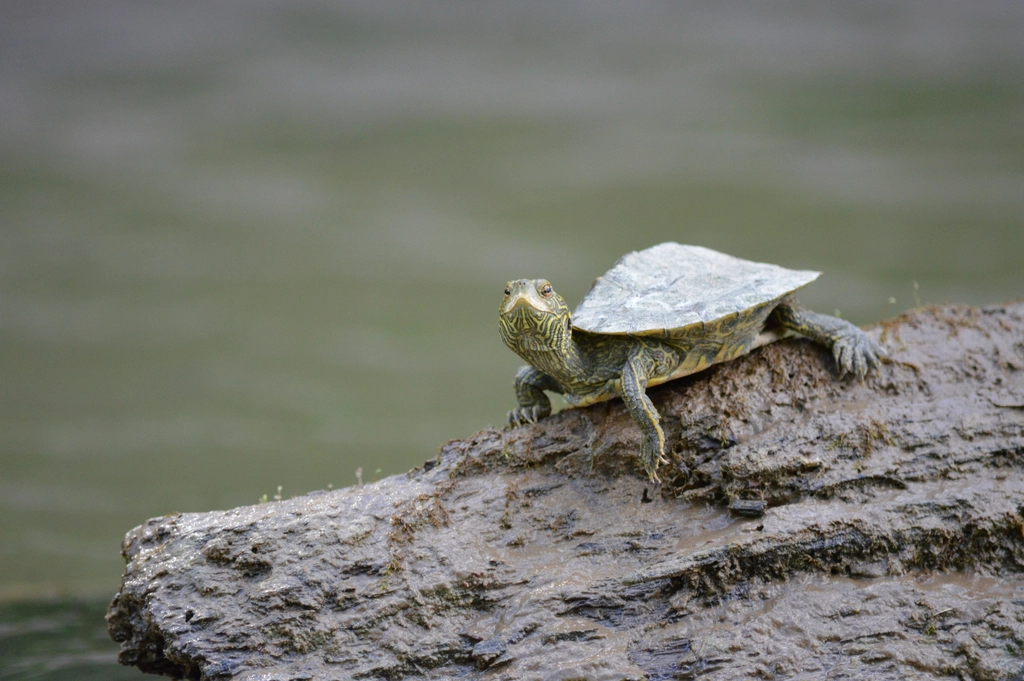
Description: Map turtles are named for the intricate patterns on their shells resembling contour lines on a map. They are active and curious.
Habitat: Map turtles thrive in large ponds with plenty of rocks and driftwood for basking. They appreciate a current in the water.
Care: These turtles are primarily carnivorous, feeding on insects. Sun basking and a clean pond is essential for their health.
6. Spotted Turtle (Clemmys guttata)

Description: Spotted turtles are small with dark shells covered in yellow spots. They are native to wetlands and marshy areas.
Habitat: Provide a pond with shallow, clear water and lots of aquatic plants. Spotted turtles are shy and prefer hiding spots.
Care: These turtles are omnivorous, enjoying a diet of aquatic plants, insects, and baby fish (they’re fine around adult koi & goldfish. They require a well-maintained pond.
7. Northern Map Turtle (Graptemys geographica)
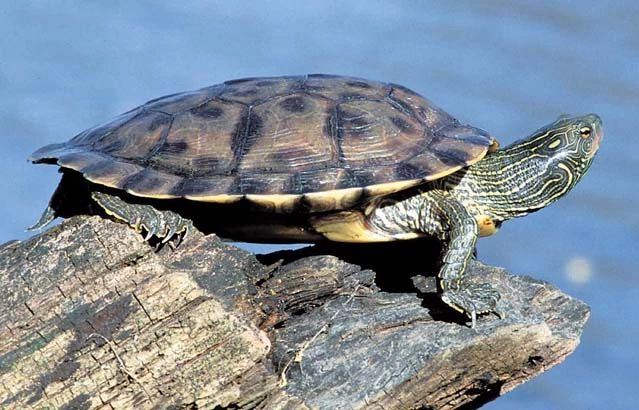
Description: Northern map turtles are larger map turtle species found in rivers and lakes. They have a distinctive saw-toothed ridge along the back.
Habitat: These turtles appreciate large, deep ponds with rocky basking spots. They are excellent swimmers.
Care: Offer a diet of baby fish (they won’t bother adult koi), insects, and leafy greens. Maintain optimal water quality and provide access to sun basking perches.
8. Cumberland Slider (Trachemys scripta troostii)
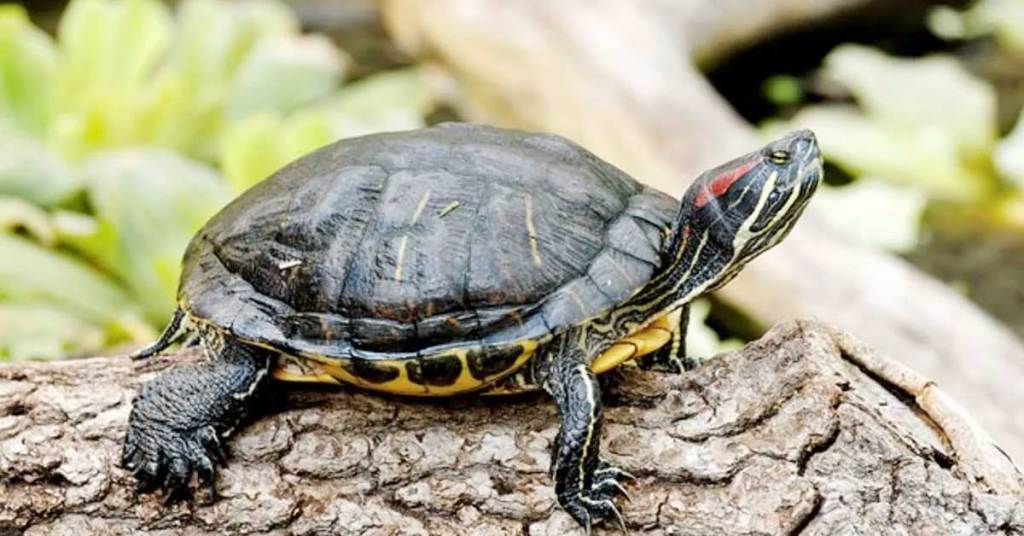
Description: Cumberland sliders are a subspecies of the red-eared slider with a more subdued coloration. They are native to the southeastern United States.
Habitat: Similar to red-eared sliders, Cumberland sliders require a spacious pond with basking areas and aquatic plants.
Care: Provide a balanced diet of pellets, insects, and greens. Ensure proper filtration and water quality.
Conclusion
Choosing the right turtle breeds for your turtle pond depends on factors such as pond size, water quality, and your level of experience. Always research the specific needs of each turtle species and ensure that your pond setup can accommodate their requirements. With proper care and attention, your turtle pond can become a thriving ecosystem and a source of joy for years to come. Happy turtle ponding!
The Frog Followup for interesting reads:
Further information on the Cumberland Slider Turtle breed by the Virginia Herpetological Society
One response to “Top 8 Turtle Breeds for Your Turtle Pond”
[…] Guide to Turtle Species […]