
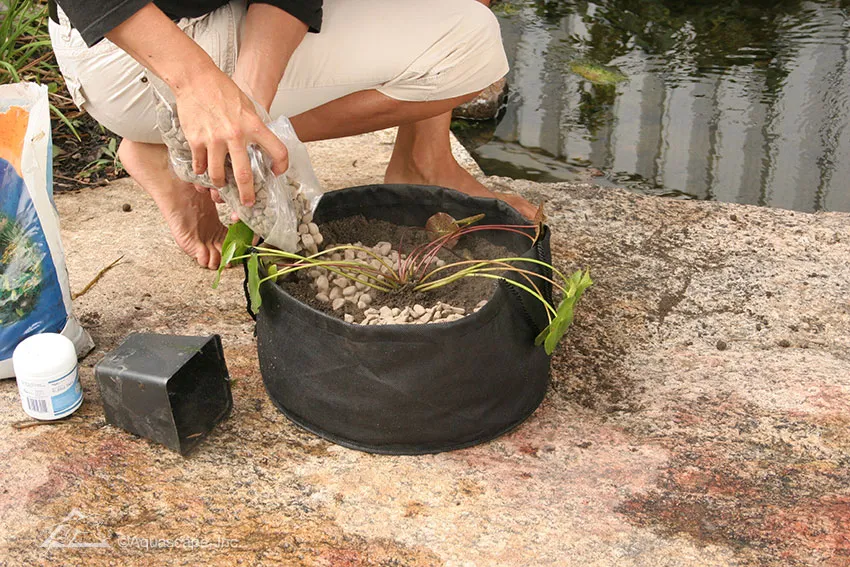
Aquatic plants are not only beautiful additions to your koi pond but also essential for maintaining a balanced ecosystem. They provide oxygen, shade, and filtration while enhancing the overall aesthetics of your pond. Properly installing aquatic plants ensures their health and longevity, benefiting both your pond’s ecosystem and the well-being of your koi. Here’s a step-by-step guide on how to install aquatic plants in your koi pond:
1. Choose the Right Plants
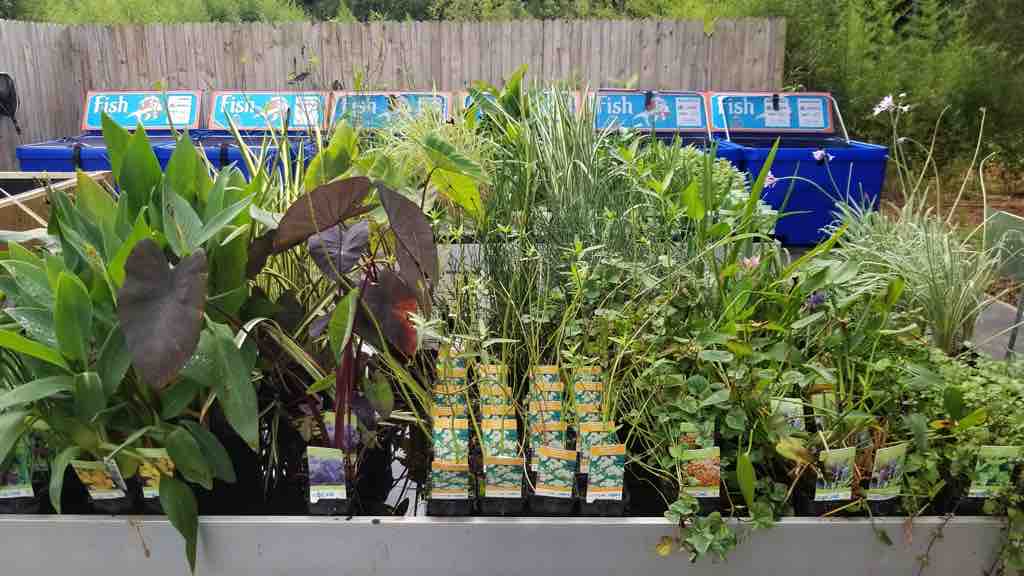
Before purchasing aquatic plants, research which species are suitable for your pond’s size, depth, and climate. Consider the needs of your koi and select plants that will thrive alongside them. Hardy species like water lilies, lotuses, and hornwort are excellent choices for koi ponds.
2. Gather Supplies
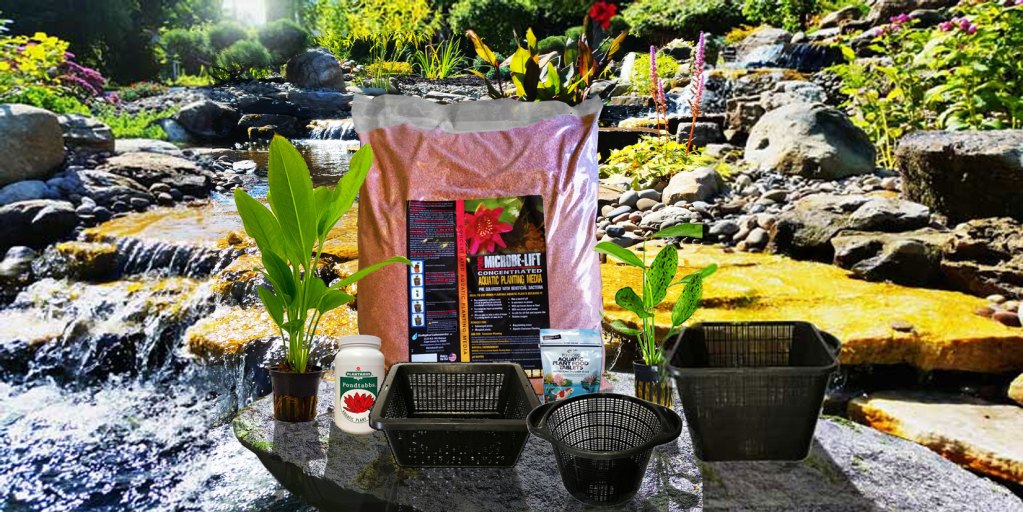
Gather the necessary supplies for planting, including aquatic plant baskets or pots, aquatic planting media (such as aquatic soil or clay), gravel or decorative stones, and aquatic fertilizer pellets (if needed).
3. Prepare the Planting Containers
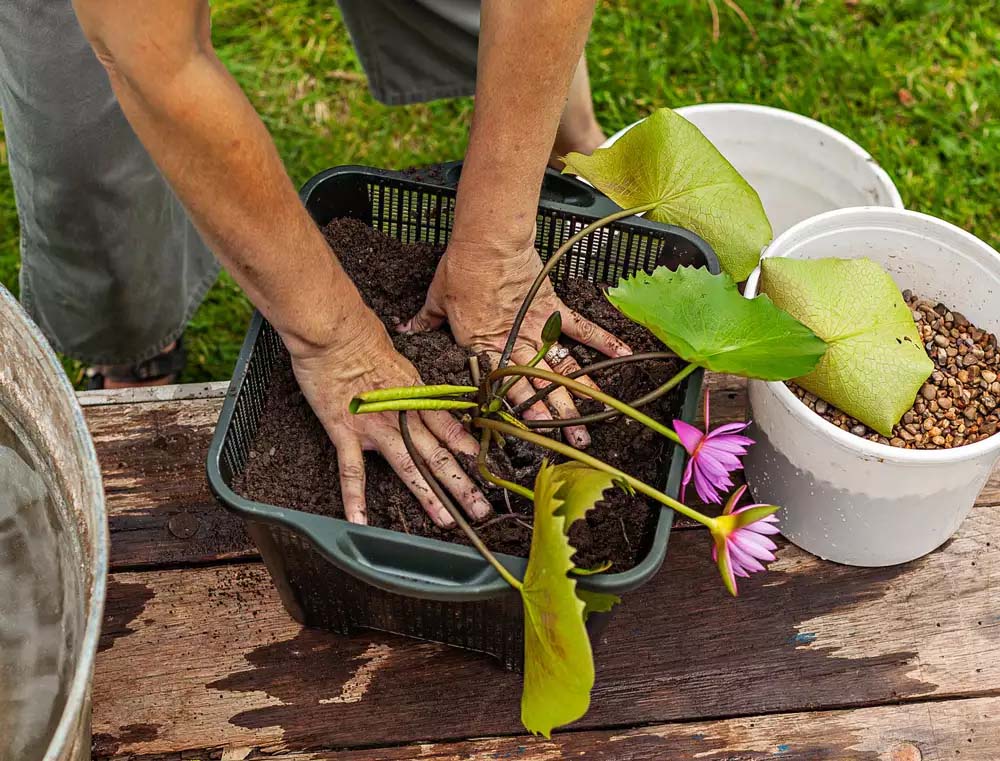
If your chosen plants require containers, prepare them by filling with aquatic planting media. Avoid using regular garden soil, as it can cloud the water and harm aquatic life. Leave some space at the top of the container for adding gravel later.
4. Rinse the Plants
Before planting, gently rinse the plants to remove any debris or pests. Trim off any damaged or decaying leaves and roots.
5. Planting in Containers

For potted plants, carefully place the plant into the prepared container, ensuring that the crown (where the stems meet the roots) sits slightly above the planting media. Fill in around the roots with additional media and press lightly to secure the plant.
6. Add Gravel or Stones
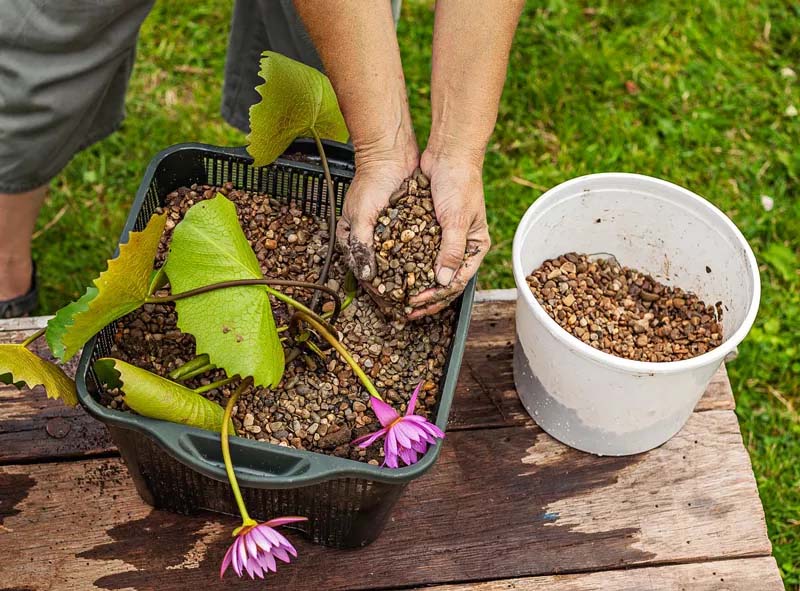
Cover the surface of the planting media with a layer of gravel or decorative stones. This helps to weigh down the media, prevents it from floating away, and adds a finished look to the planting container.
7. Submerge the Plant

Slowly lower the planted container into the pond to the desired depth. Most aquatic plants prefer water depths specific to their species. Water lilies and lotuses, for example, typically thrive in water depths of 12-36 inches.
8. Arrange Plants Strategically

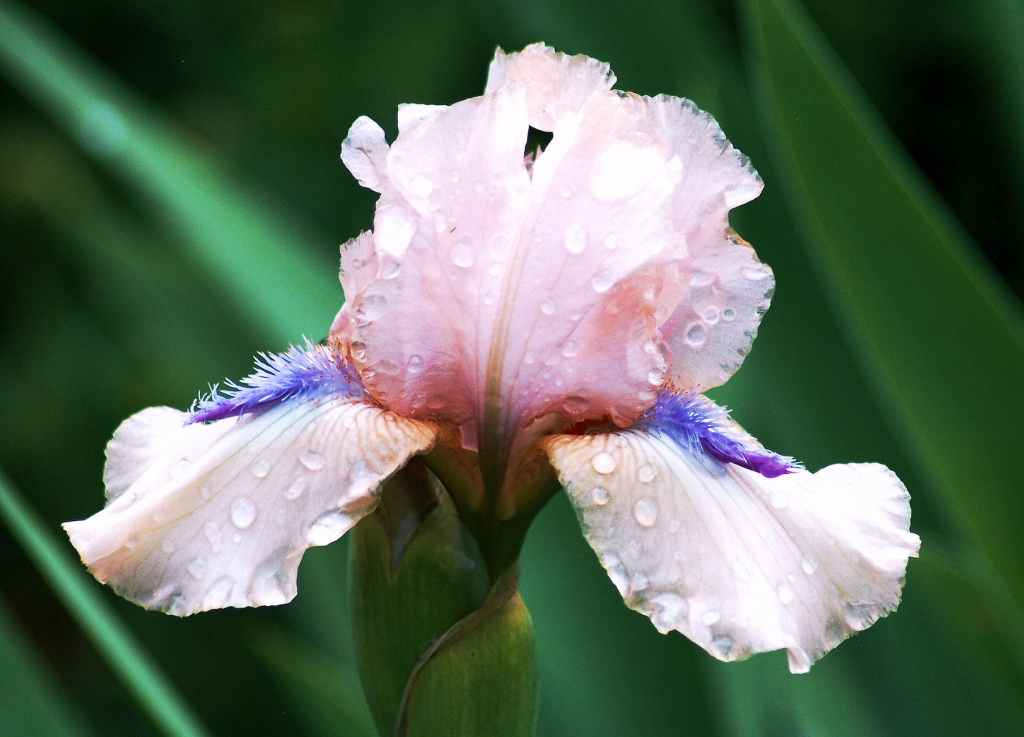
Arrange the plants strategically around the pond to maximize their benefits and aesthetic appeal. Place taller plants like lotuses towards the deeper areas, while marginal plants like water iris can line the edges.
9. Maintain Water Quality

After planting, monitor water quality parameters such as pH, ammonia, and nitrate levels to ensure they remain within the optimal range for both plants and koi. Regular water testing and maintenance are key to a healthy pond ecosystem.
10. Provide Proper Care

Maintain your aquatic plants by trimming dead foliage, fertilizing as needed (especially for heavy feeders like water lilies), and dividing overcrowded plants to promote healthy growth.
11. Consider Overwintering
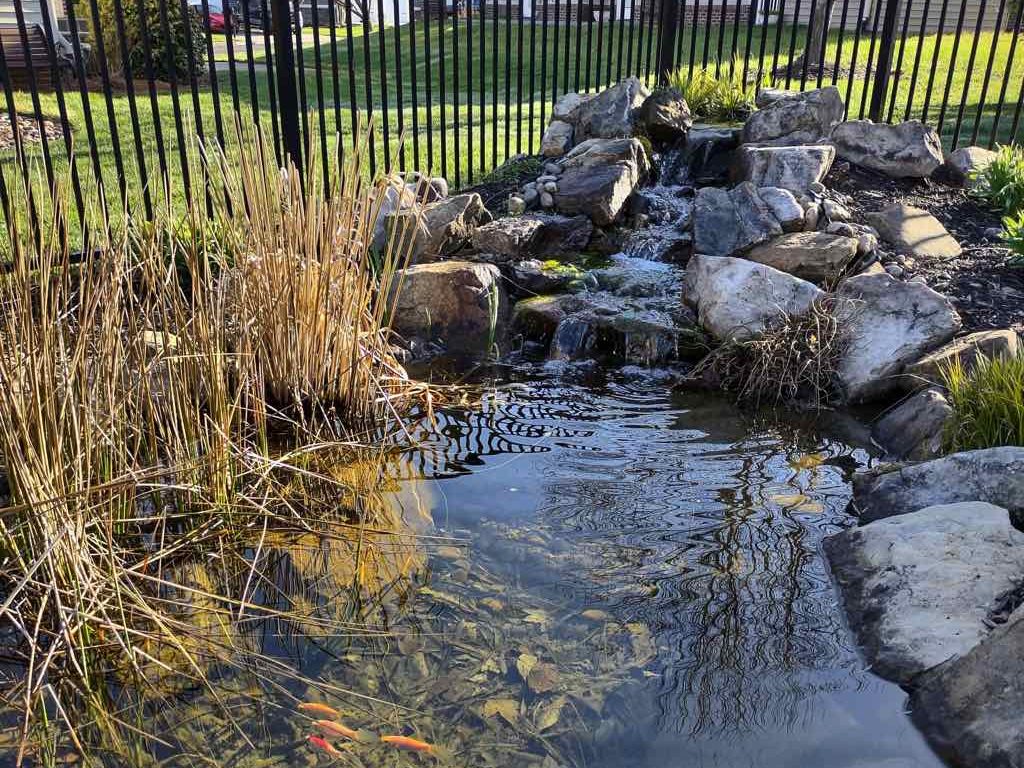
In colder climates, prepare aquatic plants for winter by trimming back dead foliage and moving sensitive plants to deeper areas of the pond to protect them from freezing temperatures.
By following these steps, you can successfully integrate aquatic plants into your koi pond, creating a balanced and thriving aquatic environment. Remember that each pond is unique, so experiment with different plant species and arrangements to find what works best for your specific setup. With proper care and maintenance, your koi pond will flourish with vibrant aquatic life and become a tranquil oasis for you to enjoy. Happy planting!
