

The backyard koi pond has become a popular feature of many American landscapes, transforming outdoor spaces into serene, natural retreats. These ponds, with their colorful koi gliding beneath the water’s surface, create a sense of peace and connection to nature. However, this trend didn’t originate in the United States. The history of koi ponds is deeply rooted in Japanese culture, and their journey to American backyards reflects changing tastes in gardening, cultural exchange, and the evolution of outdoor living.
The Origins of Koi Ponds in Japan

The history of the koi pond dates back over 1,000 years to Japan, where koi fish—originally a type of common carp—were selectively bred for their vibrant colors and ornamental appeal. Japanese farmers began breeding these fish in rice paddies as far back as the 4th century. Over time, the koi’s natural color mutations caught the eye of these farmers, who started breeding them specifically for their beauty, rather than their utility as food.
By the 19th century, koi had become a symbol of wealth and prestige in Japan, and their popularity as ornamental fish spread among the elite. These fish were displayed in purpose-built ponds in the gardens of Japanese homes, temples, and palaces. In Japanese culture, koi symbolize perseverance, strength, and good fortune, and the carefully cultivated ponds they inhabit reflect principles of harmony, balance, and a deep respect for nature.
The art of koi breeding and pond construction evolved in tandem with traditional Japanese garden design, where water features, natural materials, and a tranquil aesthetic are central themes. As a result, koi ponds became an integral part of the Japanese garden landscape, designed not only for their beauty but also as spaces for meditation and reflection.
The Introduction of Koi Ponds to the West
Koi were introduced to the Western world in the early 20th century, as Japan’s borders opened to global trade and cultural exchange. Westerners, especially those interested in gardening and exotic fish, were fascinated by koi, which stood out for their brilliant colors and graceful movements. Koi began appearing in botanical gardens and private collections across Europe and North America.
However, it wasn’t until after World War II that the American fascination with koi ponds truly began to take root. Soldiers stationed in Japan during the post-war occupation were introduced to the art of Japanese gardening, including the koi pond. Many were captivated by the tranquil beauty of Japanese landscapes and brought these ideas back home with them. As Japanese culture, including its design principles and aesthetic philosophies, began to influence American trends, the concept of the koi pond became more widely known.
The Rise of Koi Ponds in American Suburbia
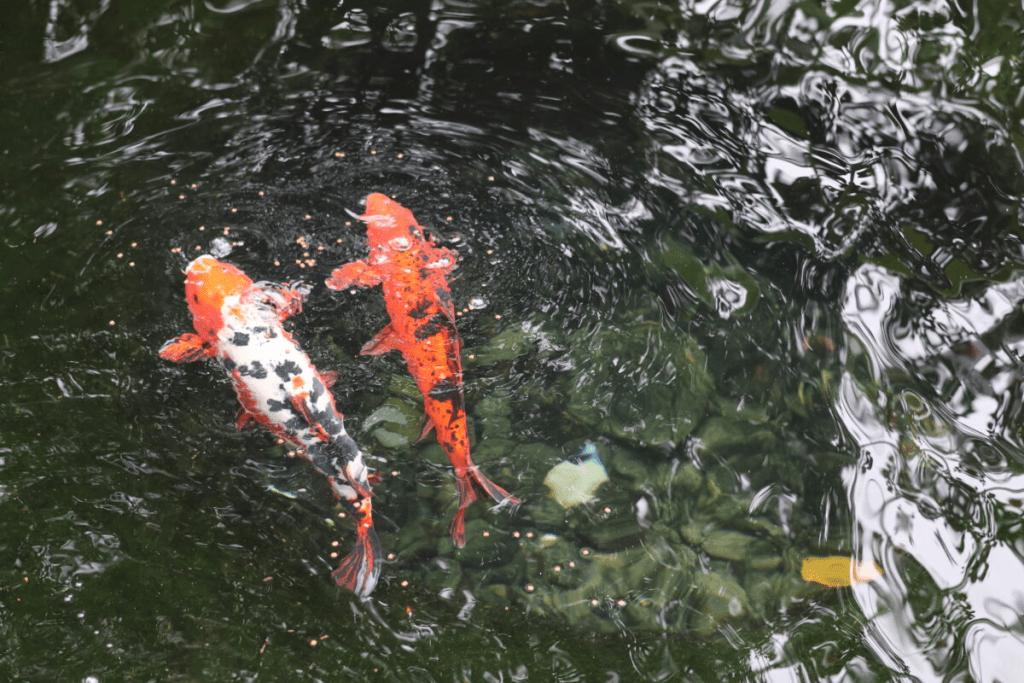
By the 1960s and 1970s, American backyard landscaping was undergoing a transformation. The post-war economic boom had fueled suburban development, and Americans increasingly sought to create personal outdoor sanctuaries. During this time, Japanese-style gardens became a fashionable choice for homeowners looking to create peaceful, nature-inspired landscapes. The koi pond was a central feature of these gardens, embodying a blend of ornamental beauty and a connection to nature.
The popularity of backyard koi ponds grew steadily throughout the 1980s and 1990s, as pond-building techniques and filtration systems improved. American gardeners embraced the idea of incorporating water features into their landscapes, and koi ponds became more accessible to a wider range of homeowners. What was once an exotic luxury became a common fixture in suburban yards, appealing to those who sought to blend aesthetics with tranquility.
Koi, with their striking colors and graceful presence, became the stars of these ponds. As koi breeding techniques spread from Japan to the United States, American koi breeders began producing their own lines of ornamental fish, further fueling interest in backyard koi ponds.
The Modern American Koi Pond
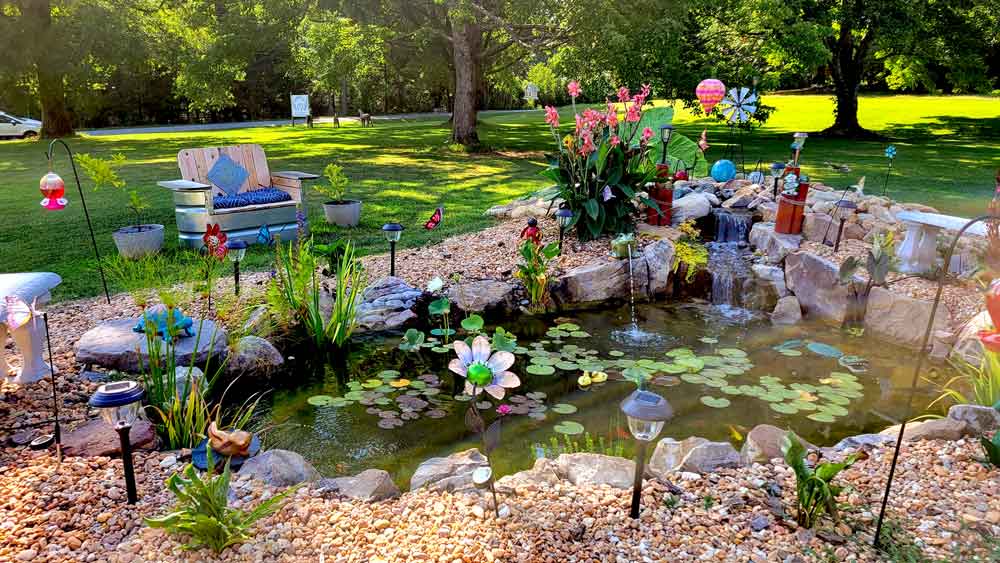
Today, the backyard koi pond is a staple of American landscaping, symbolizing peace, beauty, and an appreciation for nature. Modern koi ponds are typically designed with both aesthetics and function in mind, featuring advanced filtration systems, aeration devices, and even automatic feeders to ensure the health and longevity of the koi.
The design of these ponds often borrows from traditional Japanese garden principles, incorporating elements like natural rocks, waterfalls, aquatic plants, and carefully placed stones to create a balanced and harmonious environment. However, American koi ponds also reflect the diversity of design preferences, ranging from minimalist, Zen-inspired setups to larger, more elaborate water gardens.
Koi themselves remain a beloved part of these ponds, with hobbyists and enthusiasts across the country raising and caring for them. Koi shows and competitions have even become popular events in the United States, showcasing the best examples of koi breeding and highlighting the continued appreciation of these fish as ornamental pets.
The Cultural Significance of the Koi Pond
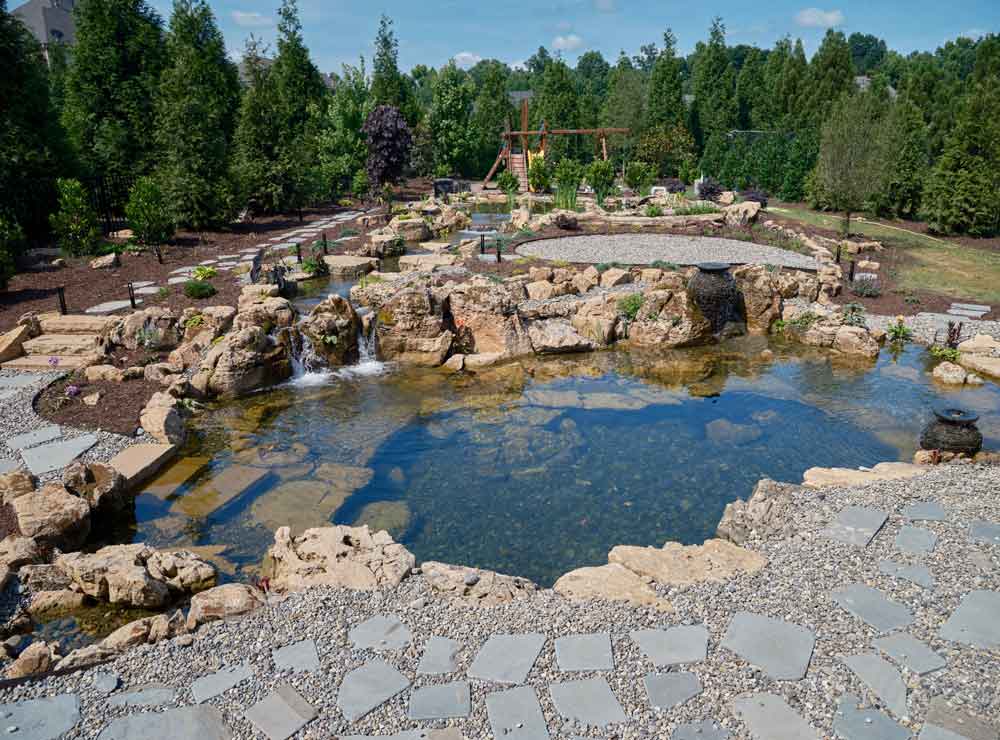
Beyond their beauty, koi ponds carry cultural and symbolic significance in America, much like they do in Japan. For many pond owners, koi represent perseverance, strength, and good fortune—qualities deeply rooted in the fish’s ability to thrive in challenging environments. Watching koi swim gracefully through the water provides a sense of calm and mindfulness, qualities that have made koi ponds popular among those seeking a place to escape from the stress of everyday life.
In American culture, the koi pond has also come to symbolize the blending of Eastern and Western garden traditions. As American homeowners continue to embrace outdoor living, koi ponds offer a way to combine the practical benefits of water features—such as cooling the surrounding environment and supporting local wildlife—with the philosophical principles of balance, harmony, and a respect for nature.
Pond Country specializes in designing and creating gorgeous waterscapes featuring koi ponds, waterfalls, fountains and more. There are many choices for any budget from our regular sized Tranquility line all the way up to our natural swimming ponds.
Conclusion
The American backyard koi pond has evolved from its humble origins in the rice paddies of Japan to become a symbol of beauty and tranquility in suburban landscapes across the United States. What began as a luxury for the elite in ancient Japan has become a beloved feature of modern American homes, providing a peaceful escape for homeowners and a vibrant display of nature’s artistry.
Today, koi ponds continue to capture the imagination of gardeners and homeowners alike, offering not just a glimpse into another culture but also a way to connect with nature and find solace in the simple beauty of water, fish, and natural surroundings. As koi ponds have found their place in the American landscape, they have also become a testament to the enduring appeal of blending nature, art, and tranquility in everyday life.
One response to “From Japan to American Suburbs: The History of the Koi Pond”
[…] space for reflection, capturing the essence of a traditional Japanese garden. The integration of koi breeding with traditional Japanese garden design emphasizes tranquility and respect for […]